

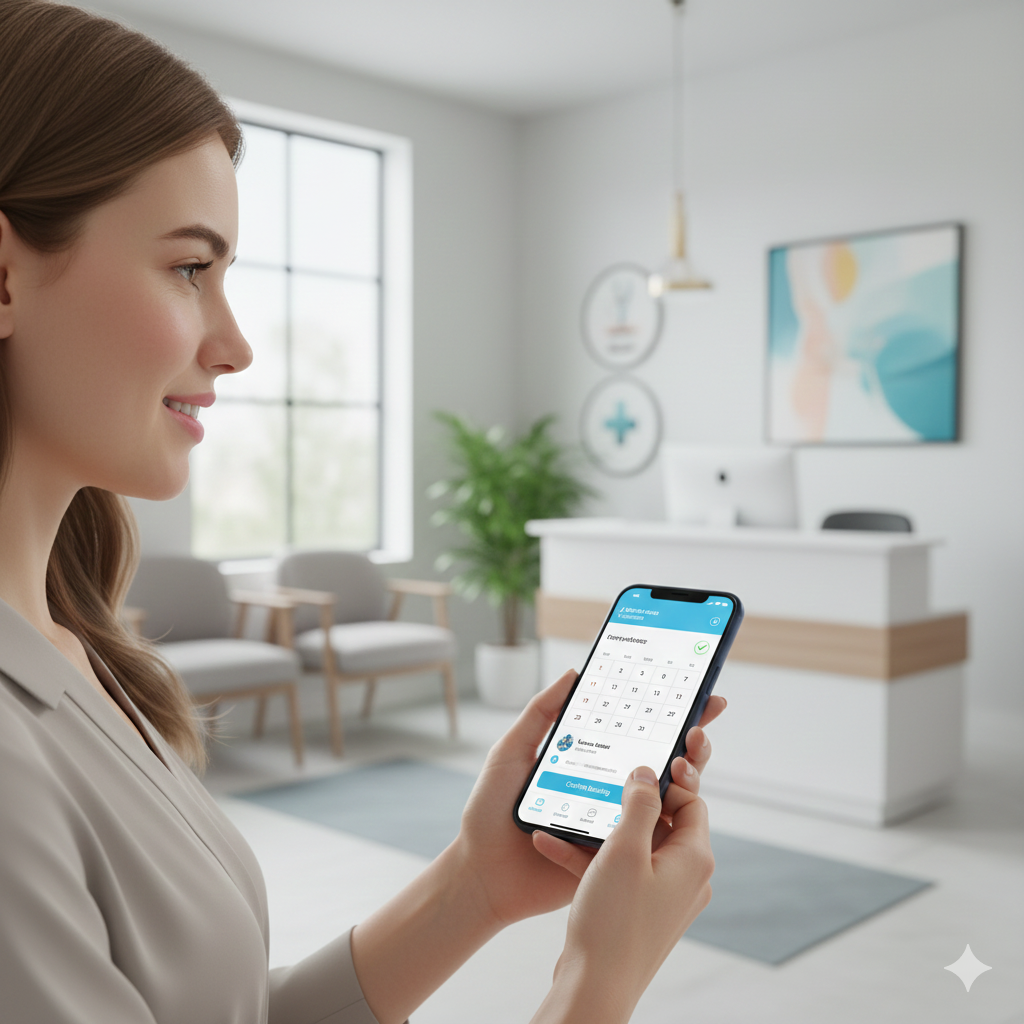

Appointment booking speed: healthcare
Appointment booking speed: Healthcare plays a critical role in how patients choose providers. In today’s fast-paced world, patients expect quick, seamless access to care. Long waits or slow online scheduling can drive potential patients to competitors, even if your practice offers excellent services.
Optimizing appointment booking speed in healthcare not only improves patient satisfaction but also increases retention and boosts overall practice efficiency. By focusing on faster scheduling processes, clinics can meet patient expectations, reduce no-shows, and maintain a competitive edge in local search results.
This guide explores why appointment booking speed in healthcare matters, how it affects patient choice, and strategies to streamline your scheduling process for better outcomes.
The Link Between Access and Satisfaction
The correlation between how quickly a patient can see a provider and their overall satisfaction with the practice is undeniable. Long wait times are consistently cited as one of the top reasons patients leave a practice or leave negative reviews.
The Psychology of Waiting
When a patient seeks medical attention, there is often an underlying element of anxiety or discomfort. Whether it’s a persistent cough, a suspicious mole, or a routine check-up that they’ve finally summoned the courage to book, the desire for resolution is immediate. A long lead time for an appointment amplifies this anxiety. Conversely, a practice that can offer same, day or next-day slots is seen as responsive and caring. This responsiveness builds trust before the patient even sets foot in the office.
Loyalty vs. Convenience
Historically, patient loyalty was tied to the doctor-patient relationship. While this relationship is still vital, it is being tested by the need for convenience. A patient might love their primary care physician, but if that physician is booked out for a month when the patient has the flu, loyalty will take a backseat to necessity. They will turn to urgent care centers, retail clinics, or telemedicine providers who can see them immediately.
Research suggests that a significant percentage of patients will switch providers for faster access. This is particularly true for younger generations, such as Millennials and Gen Z, who prioritize digital access and speed over long-standing relationships. To retain these patients, practices must view appointment availability as a key retention strategy.
Operational Efficiencies for Faster Scheduling
Improving appointment speed isn’t necessarily about working longer hours or hiring more staff, though those can be factors. Often, it is about optimizing existing operations to unlock hidden capacity.
optimizing the Schedule
Many practices suffer from rigid scheduling templates that don’t account for the nuances of different appointment types. By implementing more fluid scheduling techniques, such as “modified wave scheduling” or creating dedicated slots for urgent care, practices can reduce gaps and increase patient volume without overwhelming providers.
Reducing No-Shows
No-shows are the enemy of appointment speed. Every missed appointment is a wasted slot that could have been offered to a patient waiting for care. Implementing automated reminder systems via text or email can drastically reduce no-show rates. Additionally, maintaining a “waitlist” feature where patients can be automatically notified of last-minute openings helps fill gaps instantly, satisfying the patient who gets in early and the provider who maintains productivity.
Empowering Mid-Level Providers
Utilizing Nurse Practitioners (NPs) and Physician Assistants (PAs) to their full scope of practice is a game-changer. By routing routine follow-ups, acute minor illnesses, and administrative physicals to mid-level providers, physicians are freed up to handle more complex cases. This “care team” approach significantly increases the total number of available appointments per day.
Technology: The Enabler of Speed
In the digital age, technology is the bridge between patient demand and provider availability. Manual scheduling via phone is a bottleneck that frustrates patients and burdens staff.
Self-Scheduling Systems
Allowing patients to book their own appointments online is one of the most effective ways to improve access. Patients often remember to book appointments outside of standard business hours. If they have to wait until the office opens to call, they might forget, or they might find a competitor who offers 24/7 online booking. Tools that integrate directly with the Practice Management System (PMS) allow patients to see real-time availability and secure a slot in seconds.
Telemedicine Integration
Telehealth is not just a pandemic-era stopgap; it is a permanent fixture in efficient healthcare delivery. For medication refills, reviewing lab results, or mental health check-ins, virtual visits are faster to conduct and easier to schedule. They eliminate travel time for the patient and room turnover time for the practice, allowing providers to see more patients in the same amount of time.
AI and Predictive Analytics
Advanced practices are now using Artificial Intelligence (AI) to predict demand. By analyzing historical data, AI can forecast which days will be busiest or when seasonal illnesses will peak. This allows administrators to adjust staffing levels proactively, ensuring that appointment supply meets patient demand. For those interested in how technology is reshaping various industries, including healthcare recruitment and management, resources like Sitelike.org offer a broad look at similar digital tools.
The Competitive Edge of “Now”
The healthcare landscape is more competitive than ever. Patients have choices, and they are exercising them. Practices that prioritize speed are not just satisfying current patients; they are actively acquiring new ones.
Marketing your practice’s accessibility is just as important as marketing clinical expertise. If you offer same-day appointments, shout it from the rooftops. Highlight your online booking capabilities on your website and social media. When a potential patient searches for a doctor, seeing “Book Online Now” is a powerful conversion tool compared to “Call for Appointment.”
Furthermore, third-party review sites often highlight wait times. A reputation for getting patients in quickly contributes to positive ratings on platforms like ThreeBestRated.com or RateMDs.com, which further boosts visibility and attracts new patients.
Prioritizing Speed Without Sacrificing Quality
It is important to note that appointment speed should never come at the cost of clinical quality. Rushing through visits to squeeze in more patients is a recipe for burnout and medical errors. The goal is administrative efficiency, not clinical haste.
By streamlining the intake process—such as allowing patients to fill out forms digitally before they arrive, you can maximize the time the patient spends face-to-face with the provider. This ensures that the “speed” is in the access, not the interaction.
Organizations like Sansum Clinic and Rush Copley demonstrate that large healthcare systems can manage high volumes while maintaining high standards of care, often by leveraging robust patient portals and efficient scheduling workflows.
Next Steps for Healthcare Providers
The demand for faster access to care isn’t going away. To stay relevant and profitable, healthcare providers must adapt. Here are actionable steps to take immediately:
- Audit Your Access: Look at your “third next available appointment” metric. If it’s more than a few days out, you have an access problem.
- Implement Online Scheduling: If you haven’t already, invest in a system that allows patients to book real-time slots from your website.
- Optimize Your Phone Tree: If patients must call, ensure they aren’t on hold for 20 minutes. Consider outsourcing triage or using call-back features.
- Leverage Your Care Team: Ensure you are utilizing every member of your staff to the top of their license.
- Gather Feedback: Use post-visit surveys to ask patients specifically about their ease of scheduling.
Ultimately, respecting a patient’s time is the ultimate form of patient-centred care. By reducing the friction between the need for care and the receipt of care, you build a practice that is resilient, reputable, and ready for the future.