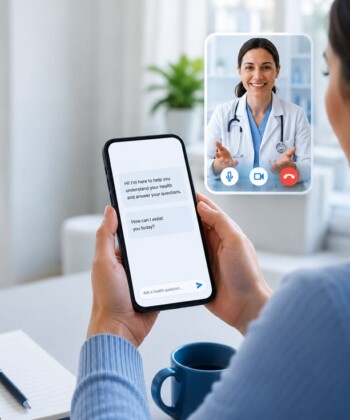



The landscape of community medicine is shifting. For decades, the relationship between a patient and their local physician was defined by proximity. You went to the doctor nearest your home, waited in a lobby, and received care based on what was available within those four walls.
By 2026, that model will be obsolete.
The concept of “local doctors 2026” is no longer just about geography; it is about accessibility, integration, and data-driven outcomes. Healthcare is becoming an operational ecosystem where in-person visits, digital diagnostics, and preventative strategies merge. For patients, this means care is more predictable and less reactive. For providers, it means the required skill set has expanded beyond clinical knowledge to include technological fluency.
The Evolving Landscape of Local Healthcare
The definition of a “local” practice has expanded. In 2026, a local doctor is the quarterback of a much larger team. The solo practitioner relies on a network of integrated tools to deliver high-quality care.
We are seeing a move away from episodic care—treating sickness when it happens—toward continuous health management. This shift is driven by necessity. With physician shortages projected to reach up to 86,000 by 2036, according to the AAMC, local practices must operate with greater efficiency to meet demand.
The doctors thriving in this environment are those who have adopted operational structures that allow them to scale their attention. They use systems that prevent patients from falling through the cracks, ensuring that a follow-up is never missed and that medical advice is timely.
Trends Shaping Healthcare in 2026
Three specific trends are defining how local doctors 2026. These are not futuristic concepts; they are the standard operating procedures for modern clinics.
1. Telemedicine as a Primary Triage Tool
Telehealth usage has stabilized at levels nearly triple what they were pre-pandemic. It is no longer a temporary fix but a permanent workflow. For local doctors 2026, telemedicine is the first line of defence. It allows physicians to triage minor issues without clogging up physical exam rooms, leaving in-person slots for patients who truly need hands-on care. This hybrid model respects the patient’s time and maximizes the clinic’s resources.
2. AI in Diagnostics and Workflow
Artificial intelligence has moved from hype to utility. In 2026, AI does not replace the doctor; it handles the data. AI tools now assist in analyzing imaging, flagging potential drug interactions, and even automating administrative burdens that previously led to burnout.
For example, platforms like AzCare are helping providers integrate AI to streamline patient management, ensuring that clinical decisions are backed by rapid data analysis. This allows the doctor to focus on the human element of care—making the final decision—rather than getting lost in the paperwork.
3. Personalized Medicine at Scale
Historically, personalized medicine was a luxury. Now, it is becoming standard. Advances in genomic testing and data analytics allow local doctors to tailor treatment plans to individual genetic profiles. This reduces the trial-and-error phase of prescribing medication. Facilities within the BMC Health System are already demonstrating how integrated health records allow for this level of personalization across a health system, ensuring that a patient’s history informs every future decision.
Skills and Training for the Modern Physician
The skills required to be among the top doctors in 2026 have changed. Clinical excellence is the baseline, but operational and technical literacy are the differentiators.
- Data Interpretation: Doctors must now interpret streams of data from wearables and remote monitoring devices.
- Virtual Bedside Manner: Building trust through a screen requires a different communication style than in-person interactions.
- System Navigation: Physicians need to navigate complex insurance and benefit landscapes to advocate for their patients. Understanding resources like Pierce Group Benefits allows doctors to help patients understand what care is covered, reducing financial friction.
Furthermore, continuous education is non-negotiable. Institutions like Boston University are adapting their medical curricula to ensure the next generation of physicians is prepared for this tech-enabled environment.
Challenges and Opportunities
The transition to the “local doctors 2026” model is not without friction. There are operational hurdles that practices must overcome to stay viable.
Addressing Burnout
Physician burnout remains a critical issue, though rates have dropped to around 48% in recent years. The primary cause is often administrative overload—too much time spent on tasks that do not directly improve patient health.
To combat this, successful practices are outsourcing and automating. They rely on secure infrastructure to handle data load. Services like Gold Coast Data Centre illustrate the importance of secure, low-latency data management. When data flows smoothly, administrative friction decreases, and doctors can focus on medicine.
Technology Adoption and Seniors
A significant portion of the patient population is aging. Ensuring that seniors can access digital health tools is an operational challenge. Resources like the Senior Savings Network play a vital role in helping this demographic navigate Medicare and supplemental options, ensuring they aren’t left behind by the digital shift.
Healthcare Access and Equity
Access remains uneven. While urban centers often have abundant options, rural areas struggle. However, the expansion of digital infrastructure offers a solution. Specialized platforms can now connect patients in remote areas with specialists in major hubs.
For instance, a patient needing specific orthopedic advice might consult resources or specialists found through Knee Arthroscopy NYC, regardless of their immediate physical location. Similarly, review platforms like RateMDs allow patients to vet local doctors 2026 based on patient outcomes and experiences, democratizing quality control.
Preparing for the Future of Local Healthcare
For patients, preparation means being proactive. It involves engaging with health management tools and finding providers who use modern systems. Resources like Everyday Health provide the patient education necessary to ask the right questions and seek the right care.
For providers, preparation means investing in infrastructure. It means looking at successful models—whether it’s a large entity like UnitedHealth Group or an innovative local clinic—and adapting those workflows. It means understanding that patient experience extends beyond the clinic. It includes everything from how they book an appointment to how they receive their lab results.
Even lifestyle factors play a role in this ecosystem. We are seeing a holistic approach where doctors recommend lifestyle changes backed by local resources. This might range from nutritional guidance to understanding local recreational options, similar to how Food Stadium connects people with food culture, or how Jersey’s Best highlights local community resources that contribute to overall well-being.
The goal is a seamless experience. Just as we expect seamless transactions in finance—verified by secure platforms like WDI or financial guides like Fastbot—we should expect the same reliability in healthcare.
The era of local doctors 2026 is defined by connection. It is the connection between patient and provider, data and diagnosis, and the clinic and the community. By embracing these operational shifts, we build a healthcare system that is resilient, accessible, and effective.
What will the role of local doctors look like in 2026?
Local doctors 2026 will function as coordinators of care, utilizing a mix of in-person visits and digital tools. They will rely heavily on data analysis to provide proactive, personalized medical advice rather than just reacting to illness.
How will AI affect my visits to local doctors in 2026?
AI will handle much of the background work, such as analyzing records and diagnostic imaging. This increases efficiency, allowing your doctor to spend more time discussing your treatment plan and less time typing into a computer.
Will telemedicine replace in-person visits for local doctors 2026?
No, it will not replace them, but it will refine them. Telemedicine will be used for triage and routine follow-ups, ensuring that in-person appointments are reserved for physical examinations and complex procedures.
How can I find the best local doctors 2026?
Patients should utilize verified review platforms and check “Top Doctors” lists, such as those published by Boston Magazine, to identify providers who are recognized for clinical excellence and patient satisfaction.
Is patient data secure with local doctors 2026?
Security is a top priority. Practices are investing in high-level data centers and blockchain technologies to ensure patient records are accessible to the right providers but secure from unauthorized access.
How do I check if my insurance covers these new 2026 healthcare services?
You should consult your benefits provider directly or use resources like Yahoo finance sections or specific carrier portals to understand the nuances of your coverage regarding telemedicine and AI-assisted diagnostics.
Why is there a focus on “local” if everything is going digital?
Digital tools expand reach, but healthcare implementation happens locally. Local doctors 2026 understand the specific needs, resources, and environmental factors of their immediate community, which is essential for effective care.