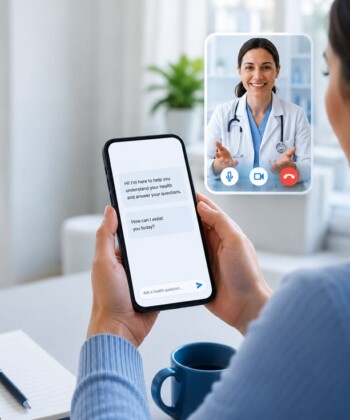



Finding the Right Primary Care Provider in 2025
Choosing the right primary care provider has always been an important decision, but the healthcare landscape is rapidly evolving. By 2025, advancements in technology, shifting patient priorities, and innovative care models will redefine what patients expect from their primary care experience.
If you’ve found yourself searching “find primary care doctor 2025,” you’re not alone. Patients today demand more personalized, accessible, and innovative care than ever before. This blog will guide you through what to look for in a primary care provider, the trends shaping healthcare, and actionable tips to choose the right one for your needs.
The Evolving Landscape of Primary Care
The way we approach healthcare has shifted dramatically in recent years, with 2025 set to bring even more transformation. Telehealth, artificial intelligence, and wearable devices are no longer just novelties in the healthcare space; they are quickly becoming essentials.
At the same time, there’s a growing emphasis on patient-centred care. People no longer want a generic, one-size-fits-all approach to healthcare. Instead, they expect empathy, communication, and services tailored to their lifestyles and health goals.
But what does this mean for you as a patient? It means you have more choices and tools at your disposal to find a provider who aligns with your priorities and values.
What Patients Value Most in 2025
Understanding what patients want is key to choosing the right primary care provider. Here are some of the crucial aspects that healthcare consumers prioritize:
- Convenience and accessibility: A primary care provider should fit into your life without causing disruptions. From telehealth options to flexible scheduling, convenience is critical.
- Empathy and communication skills: According to a survey by Accenture, 81% of patients want more personalized care. Providers who actively listen and collaborate with their patients stand out.
- Use of technology: Providers must integrate tools like AI, telehealth, and wearable data to offer seamless and innovative care.
- Preventative care focus: With nearly 60% of Americans managing a chronic condition (Kaiser Family Foundation), the importance of preventative care and long-term health management continues to grow.
Tech Integration in Primary Care
Technology is reshaping the way we receive healthcare. Innovations like telehealth, AI-driven tools, and wearable technology are becoming mainstream. Here’s how these advancements are impacting primary care:
Telehealth for Routine Care
Telehealth adoption has soared, with 70% of patients preferring a provider offering virtual consultations (American Medical Association, 2023). Whether it’s a routine follow-up or a minor ailment, telehealth saves time and makes healthcare more accessible.
AI-Driven Insights
AI-powered platforms are revolutionizing diagnostics and treatment plans. From analyzing patient history to predicting potential health risks, AI tools such as those used by Forward Health and Intermountain Healthcare ensure personalized and precise care. McKinsey estimates that AI in healthcare could save up to $110 billion annually by 2025.
Wearables for Continuous Monitoring
Smartwatches and fitness trackers are no longer just gadgets; they are healthcare tools. Wearable technology helps monitor chronic conditions, track fitness goals, and keep both patients and providers informed in real-time. Providers like One Medical and Intermountain Healthcare have embraced wearables as a key to proactive care.
The Human Touch
Even with all the tech advancements, the human touch remains irreplaceable. Empathy, active listening, and strong communication skills are qualities that define the best primary care providers. These “soft skills” make a tremendous difference in building trust and improving patient engagement.
Take Oak Street Health, for example. They emphasize empathetic, relationship-based care, particularly for older adults. Their providers go beyond treating symptoms and genuinely connect with patients to improve outcomes.
When looking for a provider, choose someone who prioritizes active communication, keeps you informed, and collaborates on your health goals.
Accessibility and Convenience
Modern patients value accessibility like never before. From extended hours to mobile clinics, here’s how providers are making care more convenient:
- Flexible Scheduling: Providers like One Medical offer same-day appointments and online booking, making it easy for patients to get care on their terms.
- Mobile Clinics and Home Visits: Cityblock Health is addressing accessibility challenges by bringing healthcare directly to underserved communities with mobile clinics.
- Comprehensive Services in One Location: Clinics like Forward Health integrate primary care, diagnostics, and wellness coaching under one roof to save patients’ time.
Convenience isn’t just a luxury anymore; it’s an expectation. When searching for a provider, look for options that prioritize scheduling flexibility and ease of access.
How to Choose the Right Primary Care Provider in 2025
The abundance of choices in 2025 may feel overwhelming, but these steps will help simplify your decision:
1. Identify Your Priorities
Decide what matters most to you, whether it’s a provider’s use of technology, their communication style, or the services they offer.
2. Research Providers Thoroughly
Read reviews, visit clinic websites, and check providers’ credentials to ensure they meet modern standards. Platforms like One Medical and Forward Health make this process easier by showcasing their approach online.
3. Consider Accessibility
Make sure the provider’s office is conveniently located and offers flexible scheduling options, including virtual visits if needed.
4. Evaluate Their Use of Technology
Look for providers who integrate telehealth, AI tools, and wearable data into their practice. This ensures you’re receiving cutting-edge, proactive care.
5. Schedule an Introductory Visit
Meeting with the provider before committing can help you assess their communication and establish trust.
6. Align on Preventative Care
Ensure they prioritize preventative care and offer programs or tools to help you achieve long-term health goals.
The Future of Patient-Centred Primary Care
By 2025, primary care will be a dynamic blend of innovation and personalization. Technology like AI and telehealth will redefine how providers deliver care, while empathy and accessibility will shape the foundation of patient relationships.
Finding the right primary care provider is about aligning with someone who shares your priorities, listens to your concerns, and empowers you to take charge of your health. The right choice can transform not just your healthcare experience but also your quality of life.
Ready to take the next step? Begin your search for a forward-thinking primary care provider who combines technology, accessibility, and empathy to deliver exceptional care.
According to recent chronic condition statistics, over 60% of U.S. adults have at least one chronic illness, emphasizing the need for accurate RCM processes.